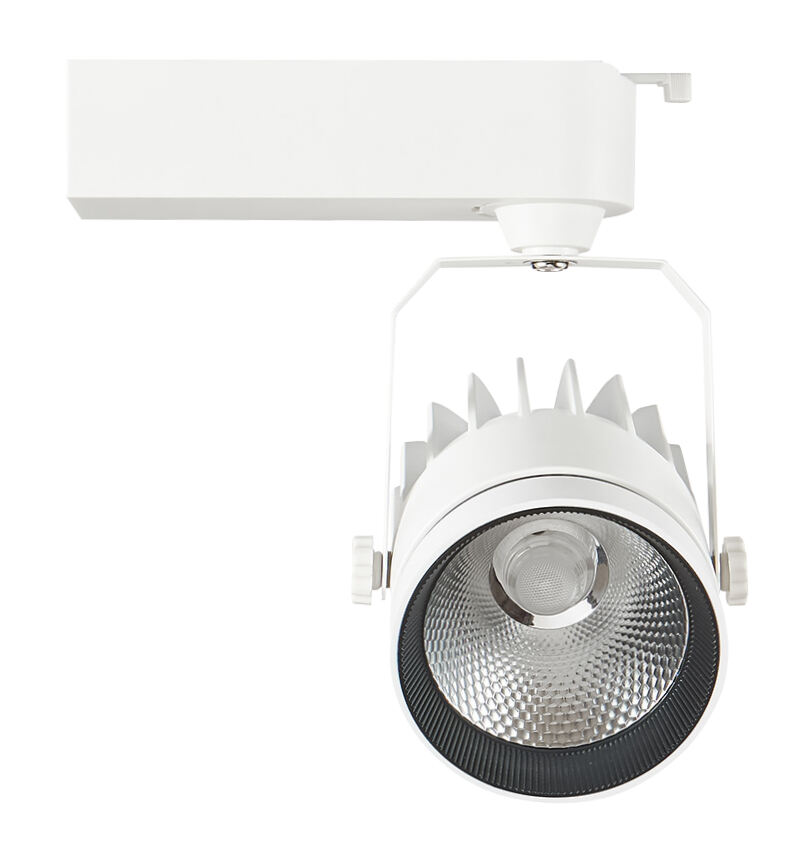
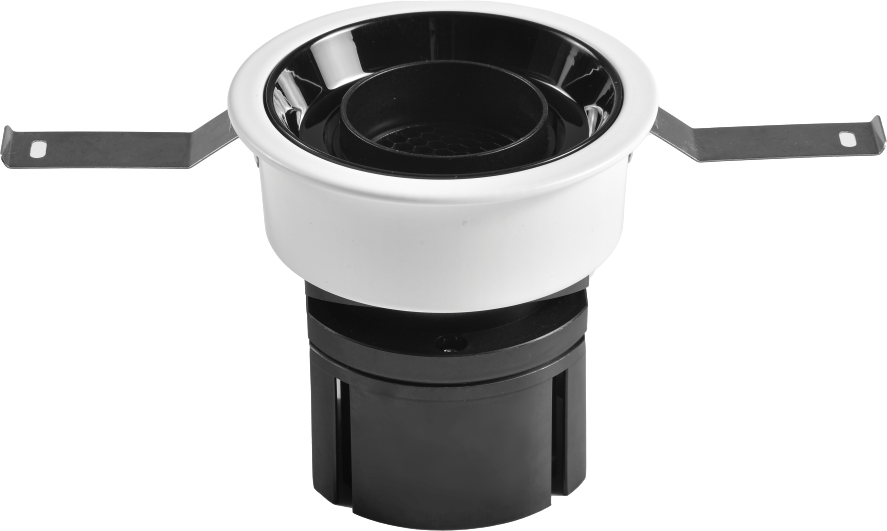
Industrial and commercial facilities are experiencing a revolutionary change in how they illuminate their spaces. LED high bay upgrades represent the forefront of this lighting evolution, offering unprecedented control over brightness, energy efficiency, and operational costs. From warehouses to manufacturing plants, the shift toward LED technology is reshaping how businesses approach their lighting needs while creating more productive and sustainable environments.
LED high bay upgrades consist of several sophisticated components working in harmony. The heart of these systems includes advanced LED chips, precision-engineered heat sinks, and specialized optical lenses that direct light exactly where needed. Modern drivers ensure stable power delivery while smart controls enable customizable lighting scenarios. This technological integration results in superior light output and remarkable longevity compared to traditional lighting solutions.
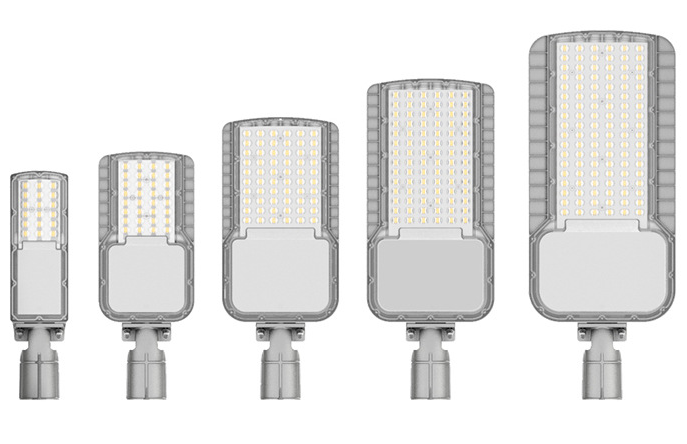
The architectural design of LED high bay fixtures represents years of lighting innovation. Their unique construction allows for better heat dissipation, crucial for maintaining optimal performance in challenging industrial environments. The modular nature of these fixtures facilitates easier maintenance and future upgrades, while their lightweight yet durable build simplifies installation and reduces structural load requirements.
Success with LED high bay upgrades begins with strategic placement. Proper mounting height, spacing, and angle calculations ensure uniform light distribution across the facility. Modern LED fixtures offer various beam angle options, allowing for customized light patterns that eliminate dark spots and maximize coverage. Professional lighting designers can create detailed photometric analyses to determine the ideal configuration for any space.
Different industrial applications require specific light distribution patterns. LED high bay upgrades can be configured with various optics to achieve narrow, medium, or wide beam spreads. This flexibility ensures that light is directed precisely where needed, whether illuminating specific work areas or providing broader ambient lighting. The ability to customize light distribution significantly impacts overall brightness perception and workspace functionality.
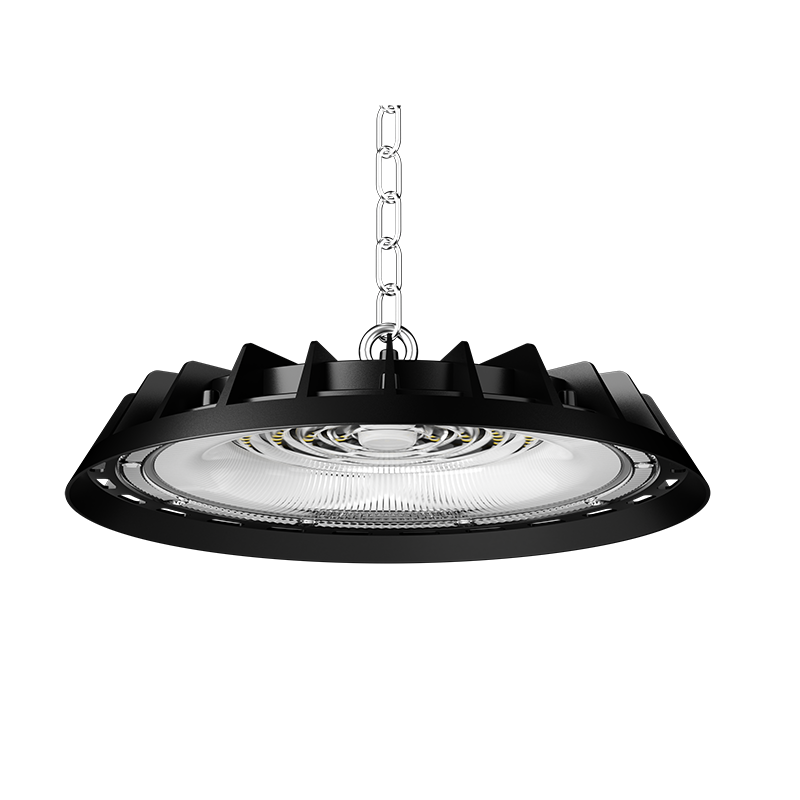
LED high bay upgrades excel in converting electrical energy into visible light. Modern LED fixtures can achieve remarkable efficiency ratings, often producing more lumens per watt than traditional lighting systems. This improved efficiency means businesses can achieve higher brightness levels while consuming less energy, leading to significant cost savings and reduced environmental impact.
The color temperature of LED lighting plays a crucial role in perceived brightness. LED high bay upgrades typically offer multiple color temperature options, from warm white to daylight spectrum. Higher color temperatures often create an impression of increased brightness, making them ideal for task-oriented areas. Strategic selection of color temperature can enhance visibility while maintaining comfortable working conditions.
Modern LED high bay upgrades incorporate sophisticated control systems that automatically adjust brightness levels based on various factors. Daylight harvesting sensors can modify artificial light output to complement natural light, while occupancy sensors ensure lights operate at optimal levels only when needed. These smart features not only improve energy efficiency but also maintain consistent brightness throughout the facility.
Advanced control systems enable the creation of lighting zones, allowing different areas to maintain distinct brightness levels based on specific tasks or requirements. This granular control ensures that each space receives appropriate illumination while avoiding over-lighting in less critical areas. Task tuning capabilities allow for precise adjustment of light levels to match specific work activities and employee preferences.
Maintaining optimal brightness levels requires regular attention to LED high bay upgrades. Implementing a preventive maintenance schedule helps identify potential issues before they affect performance. Regular cleaning of fixtures, inspection of electrical connections, and monitoring of light output ensure consistent brightness levels throughout the system's lifespan.
Modern LED systems often include built-in monitoring capabilities that track performance metrics in real-time. These systems can alert facility managers to potential issues, track energy consumption, and monitor light output levels. This data-driven approach enables proactive maintenance and ensures that brightness levels remain consistent over time.
Most facilities experience a return on investment within 2-4 years after implementing LED high bay upgrades. This calculation includes energy savings, reduced maintenance costs, and potential utility rebates. The exact timeline varies based on facility size, usage patterns, and local energy rates.
Quality LED high bay fixtures are designed to operate for 50,000 to 100,000 hours under normal conditions. This translates to approximately 10-20 years of operation in most industrial applications, though actual lifespan can vary based on usage patterns and environmental factors.
In most cases, existing wiring can accommodate LED high bay upgrades, though a professional assessment is recommended. Modern LED fixtures typically draw less power than traditional lighting systems, making them compatible with existing electrical infrastructure. However, if advanced control systems are being implemented, additional wiring may be necessary.

Commercial lighting, LED downlights, and LED tube lights by WISCOON. Explore energy-saving exterior lighting with unique designs and global certifications.

Contact Now!


3rd Floor,Building B,No.65,GaoKe Ave. LongGang District,Shenzhen518172,China
Copyright © SHENZHEN WISCOON TECH CO.,LTD All Rights Reserved Privacy Policy
 EN
EN
 AR
AR
 BG
BG
 HR
HR
 CS
CS
 DA
DA
 NL
NL
 FI
FI
 FR
FR
 DE
DE
 EL
EL
 IT
IT
 JA
JA
 KO
KO
 NO
NO
 PL
PL
 PT
PT
 RO
RO
 RU
RU
 ES
ES
 SV
SV
 TL
TL
 ID
ID
 LV
LV
 LT
LT
 SR
SR
 SK
SK
 SL
SL
 UK
UK
 SQ
SQ
 ET
ET
 HU
HU
 MT
MT
 TH
TH
 TR
TR
 AF
AF
 MS
MS
 GA
GA
 IS
IS
 AZ
AZ