Designing a general lighting layout for a building requires careful consideration of multiple factors to create functional, energy-efficient, and aesthetically pleasing illumination. A well-planned lighting layout design ensures optimal visibility, enhances the architectural features, and contributes to occupant comfort and productivity. Whether you're working on a commercial space, residential building, or institutional facility, understanding the fundamental principles of lighting design is crucial for success.
The process of developing a comprehensive lighting layout involves analyzing space requirements, selecting appropriate fixtures, calculating light levels, and integrating controls. Modern lighting design must balance aesthetic appeal with practical considerations like energy efficiency, maintenance requirements, and building codes compliance. Let's explore the essential elements and best practices for creating an effective lighting system.
Before diving into the lighting layout design, it's essential to analyze the intended use of each space within the building. Different areas require varying levels of illumination based on their functions. For instance, task-oriented spaces like offices and kitchens need higher light levels compared to circulation areas like corridors. Consider factors such as ceiling height, room dimensions, and natural light availability when planning the layout.
The type of activities performed in each space also influences the lighting requirements. For example, detailed work areas might need focused task lighting, while communal spaces benefit from ambient lighting that creates a welcoming atmosphere. Document these requirements early in the planning phase to ensure the final lighting layout meets all functional needs.
Accurate light level calculations are crucial for a successful lighting layout design. Use industry standards and guidelines to determine the required illuminance levels for different areas. Consider factors like the age of occupants, task complexity, and room surface reflectance when calculating lighting requirements. Professional lighting design software can help simulate and validate these calculations.
Proper light distribution is equally important. Aim for uniform illumination while avoiding harsh shadows or excessive brightness contrasts. Calculate spacing criteria between fixtures to ensure even coverage and minimize dark spots. Remember to account for furniture placement and potential obstructions that might affect light distribution.
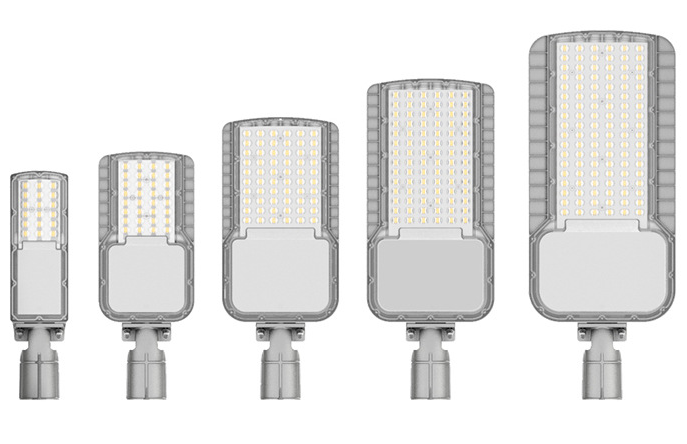
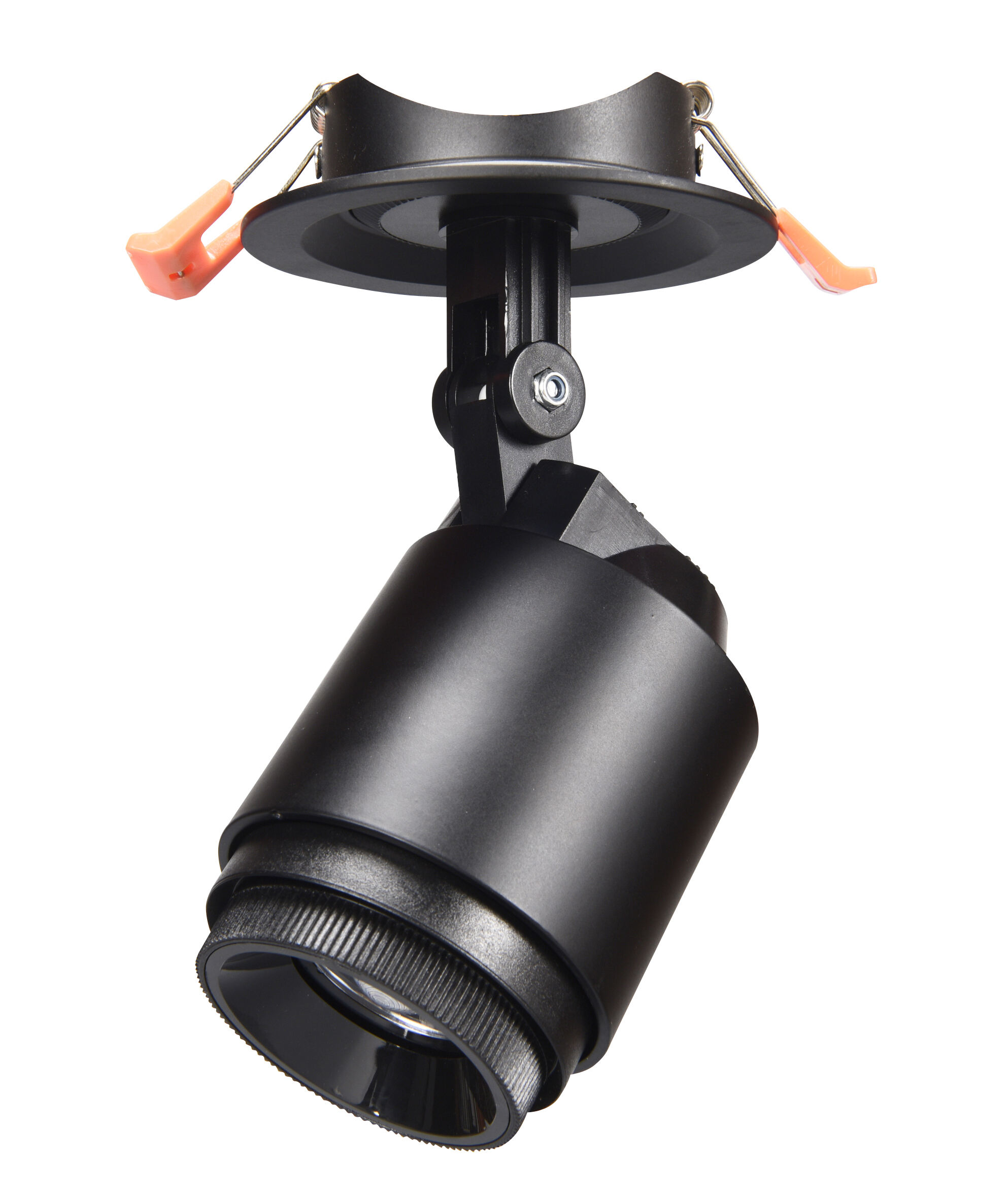
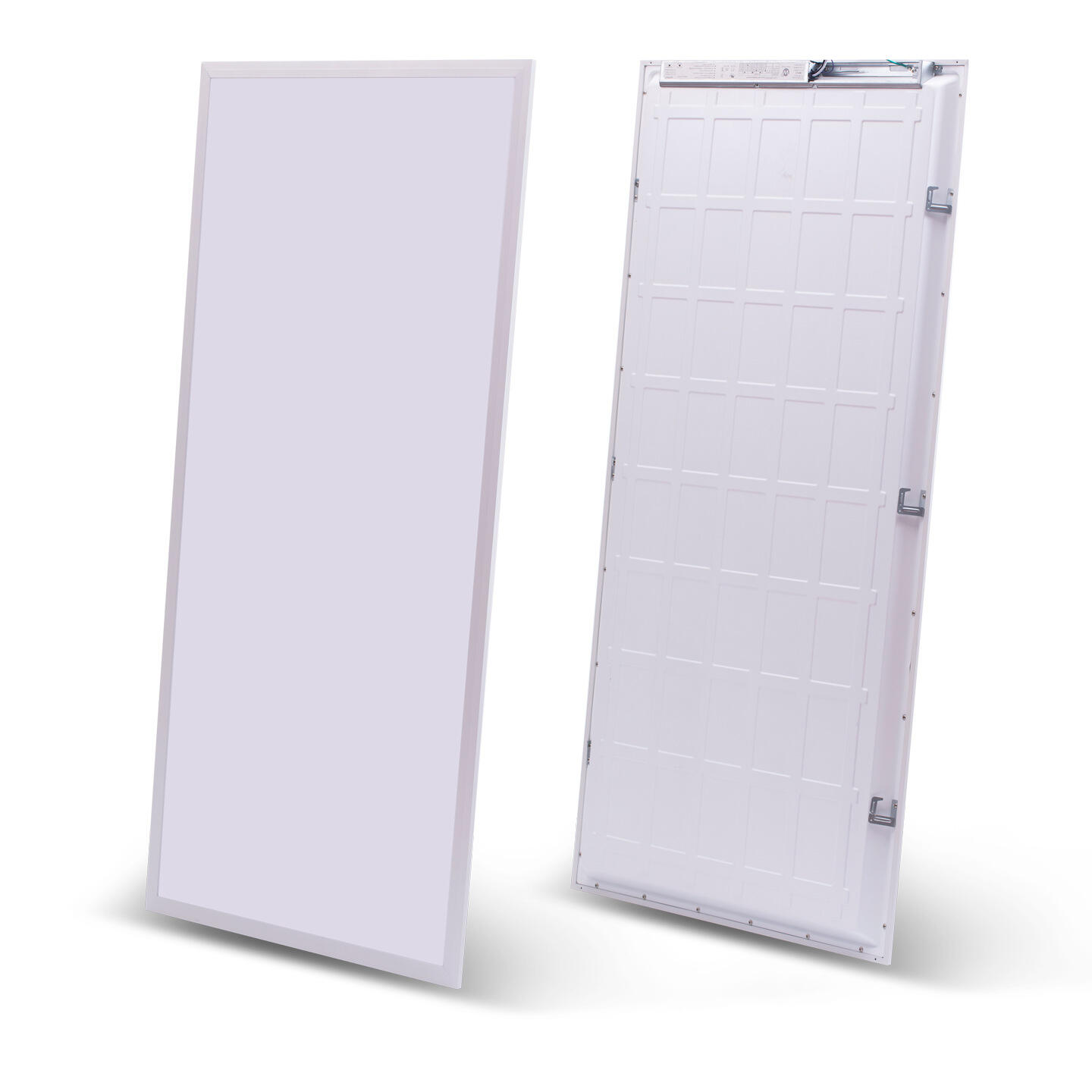
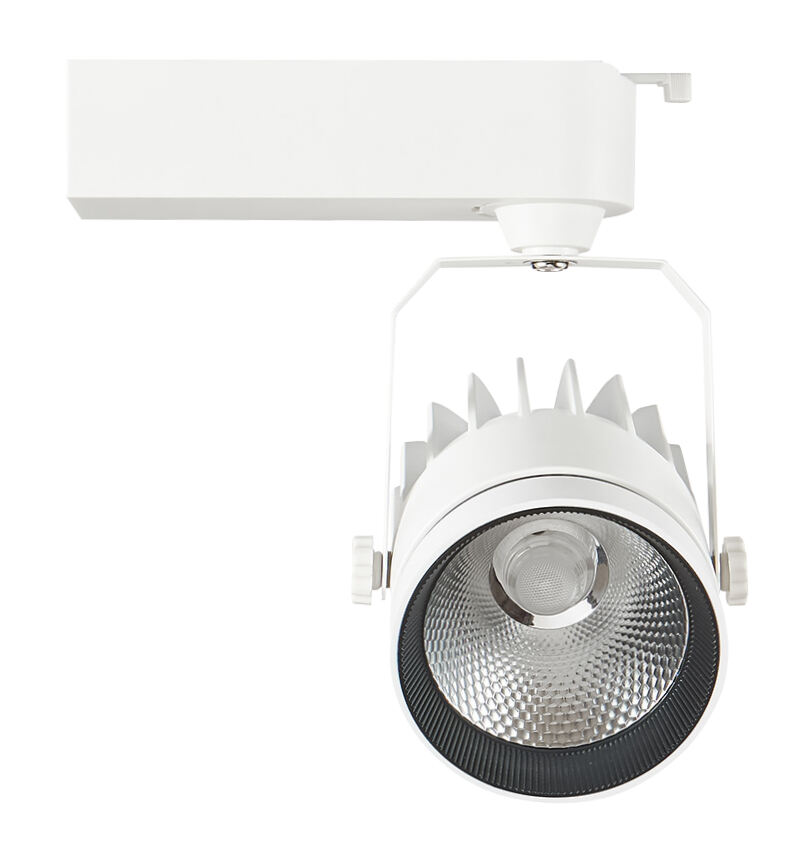
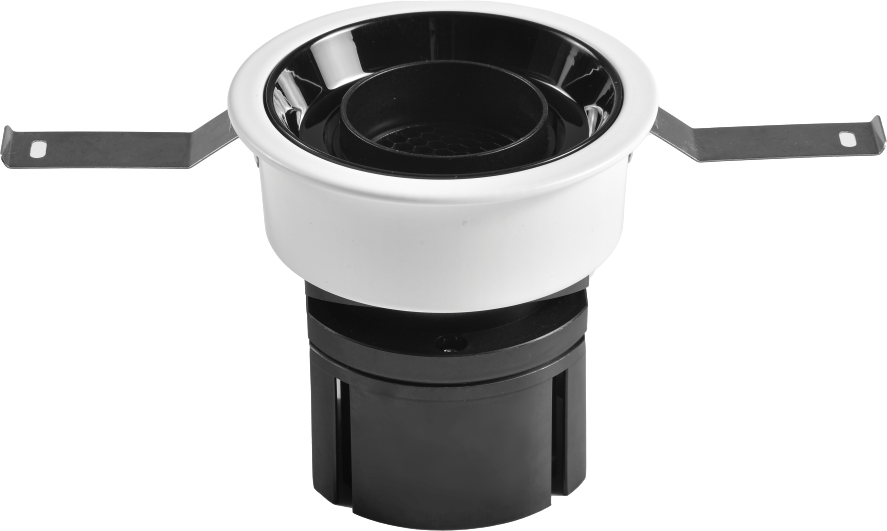
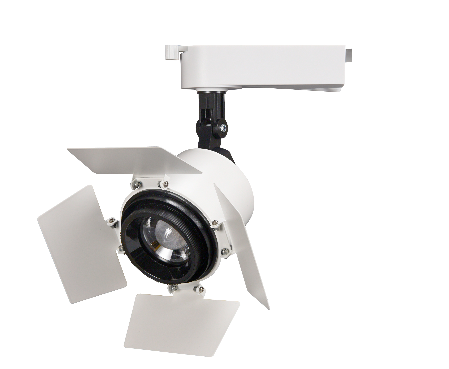
Choose lighting fixtures that complement the architectural design while meeting functional requirements. Consider factors such as mounting height, beam spread, and light output when selecting fixtures. Common options include recessed downlights, pendant fixtures, wall sconces, and track lighting systems. Each type serves specific purposes and creates different lighting effects.
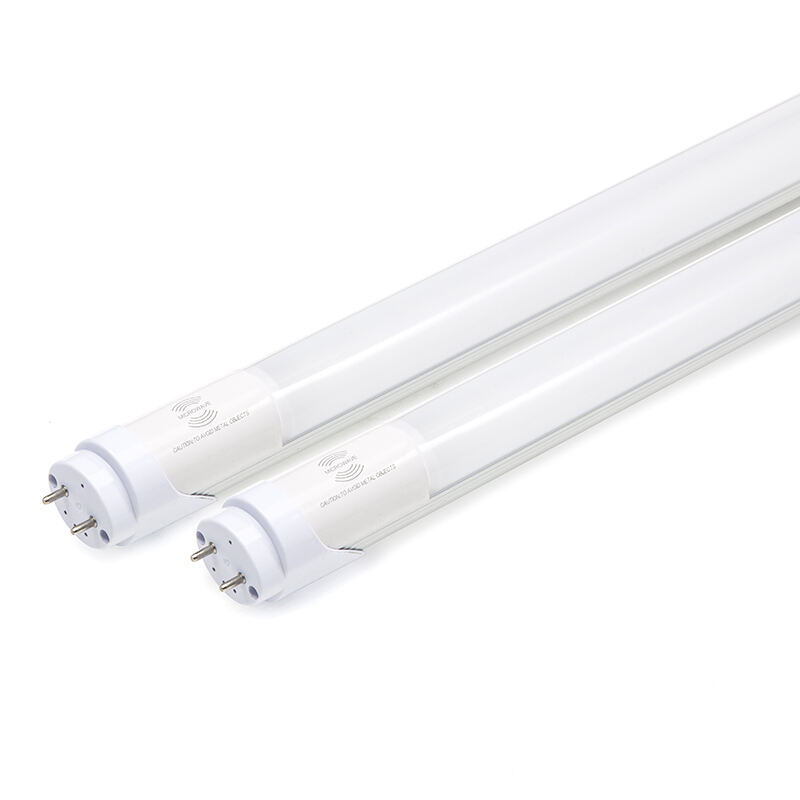
The selection process should also consider maintenance accessibility and replacement costs. LED fixtures have become increasingly popular due to their energy efficiency and long lifespan. However, ensure the chosen fixtures provide appropriate color temperature and color rendering for the space's intended use.
Incorporate energy-efficient lighting solutions to reduce operating costs and environmental impact. LED technology offers significant energy savings compared to traditional lighting sources. Consider using daylight sensors and occupancy controls to further optimize energy consumption. These automated systems can adjust artificial lighting levels based on natural light availability and space occupancy.
Look for fixtures with high efficacy ratings and those that meet or exceed energy code requirements. Consider the total cost of ownership, including initial investment, energy consumption, and maintenance expenses. Sustainable lighting design also involves proper disposal and recycling plans for replaced fixtures and lamps.
Implement flexible control systems that allow for different lighting scenes and user preferences. Modern lighting controls range from simple switches to sophisticated digital systems that can be integrated with building automation. Consider using dimming controls to adjust light levels throughout the day and support various activities within the same space.
Zone control is another important aspect of lighting layout design. Divide larger spaces into smaller control zones to enable more precise management of lighting levels. This approach improves energy efficiency and user comfort while providing greater flexibility in space utilization.
Modern lighting systems can be integrated with smart building technologies to enhance functionality and efficiency. Consider implementing IoT-enabled fixtures and controls that can be managed through central building management systems. These solutions offer advanced features like occupancy tracking, energy monitoring, and predictive maintenance.
Smart lighting integration also enables data collection and analysis to optimize building operations. Sensors can gather information about space utilization patterns and environmental conditions, helping facility managers make informed decisions about lighting adjustments and energy conservation measures.
Prepare detailed documentation of the lighting layout design, including fixture schedules, control diagrams, and installation instructions. Include specifications for all components, such as fixtures, lamps, controls, and mounting hardware. Proper documentation ensures accurate implementation and helps prevent installation errors.
Create clear installation drawings showing fixture locations, mounting heights, and wiring requirements. Include notes about special installation considerations and coordination with other building systems. This documentation serves as a valuable reference for contractors and maintenance personnel.
Implement quality control measures during installation to ensure the lighting layout meets design specifications. Conduct regular site inspections to verify proper fixture placement and wiring connections. Test all control systems to confirm proper operation and programming.
After installation, perform comprehensive commissioning to fine-tune the lighting system. This process includes adjusting fixture aim, calibrating sensors, and programming control sequences. Document all settings and provide training for facility staff on system operation and maintenance.
Consider the space's function, user age demographics, task complexity, and industry standards. Account for natural light availability, surface reflectance, and specific visual tasks performed in the space. Use professional guidelines and lighting calculation tools to determine appropriate illuminance levels.
Incorporate LED fixtures, implement automated controls like occupancy sensors and daylight harvesting, and create separate control zones. Consider using dimming systems and time-based controls to reduce energy consumption during non-peak hours. Regular maintenance and monitoring help maintain system efficiency.
Essential documentation includes fixture schedules, control diagrams, installation drawings, and technical specifications. Include details about mounting heights, spacing requirements, and control zone assignments. Provide clear instructions for installation, commissioning, and maintenance procedures to ensure proper implementation.

Commercial lighting, LED downlights, and LED tube lights by WISCOON. Explore energy-saving exterior lighting with unique designs and global certifications.

Contact Now!


3rd Floor,Building B,No.65,GaoKe Ave. LongGang District,Shenzhen518172,China
Copyright © SHENZHEN WISCOON TECH CO.,LTD All Rights Reserved Privacy Policy
 EN
EN
 AR
AR
 BG
BG
 HR
HR
 CS
CS
 DA
DA
 NL
NL
 FI
FI
 FR
FR
 DE
DE
 EL
EL
 IT
IT
 JA
JA
 KO
KO
 NO
NO
 PL
PL
 PT
PT
 RO
RO
 RU
RU
 ES
ES
 SV
SV
 TL
TL
 ID
ID
 LV
LV
 LT
LT
 SR
SR
 SK
SK
 SL
SL
 UK
UK
 SQ
SQ
 ET
ET
 HU
HU
 MT
MT
 TH
TH
 TR
TR
 AF
AF
 MS
MS
 GA
GA
 IS
IS
 AZ
AZ